- From REPL Loops to Swarms: Leasing Sandboxed Containers
Designing SwarmLeaseManager to lease container worker nodes dynamically for concurrent file inspection and sub-task execution.
3 min
- Targeted Trajectory Repair: Continuations vs Reruns
How provenance-linked continuation child runs inherit parent trajectory history to perform targeted grounding repairs at a 90% reduction in LLM compute costs.
2 min
- The Token Efficiency Curve: Fences vs. Context Dumps
Analyzing how single-cell turn discipline impacts context growth and token costs.
2 min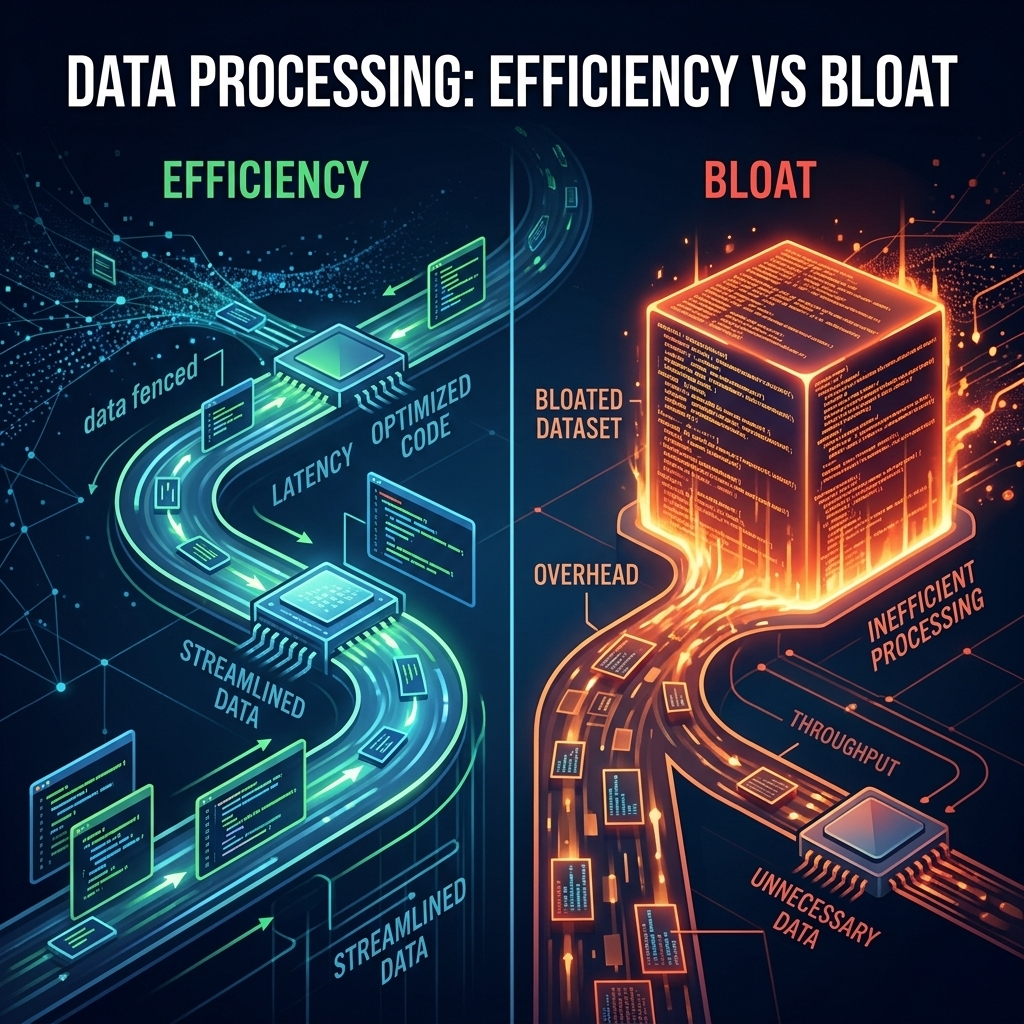
- Zero Net Access: Hardening LLM Agent Sandboxes
An in-depth analysis of securing autonomous LLM agents using host-only network isolation, Unix Domain Socket proxies, and cryptographically signed audit logs.
3 min
- A Plan Can Validate and Still Be Unsafe to Implement
A controlled indexed-planner study shows why structural validation, path grounding, and semantic review must be reported as separate gates.
5 min
- Benchmarking Agent Systems Beyond Did It Finish?
A practical scorecard for agent planning experiments separates completion, verification, grounding, repair efficiency, latency, and token cost.
4 min
- Designing Bounded Repair Loops for Agent Plans
A bounded repair action makes plan validation observable and safe — but repair telemetry must be tied to the final outcome, not counted as success itself.
3 min
- Experiments Should Be First-Class Product Artifacts
If an experiment cannot be inspected after the run, its result is operationally weaker than it needs to be.
3 min
Back
Blog
Page 2 - Showing 8 of 21 posts
View all posts by years →